Game Design Glossary: Terms Every Beginner Should Know (and How to Try Each One)
What is a core loop, a difficulty curve or a power-up? Plain definitions of 9 game design terms, with real examples and a prompt to try each one in Flikk.
In this article
Game design has its own vocabulary: core loop, difficulty curve, power-up, boss fight. This glossary explains nine of the most important terms in plain words, with an example from a game you probably know.
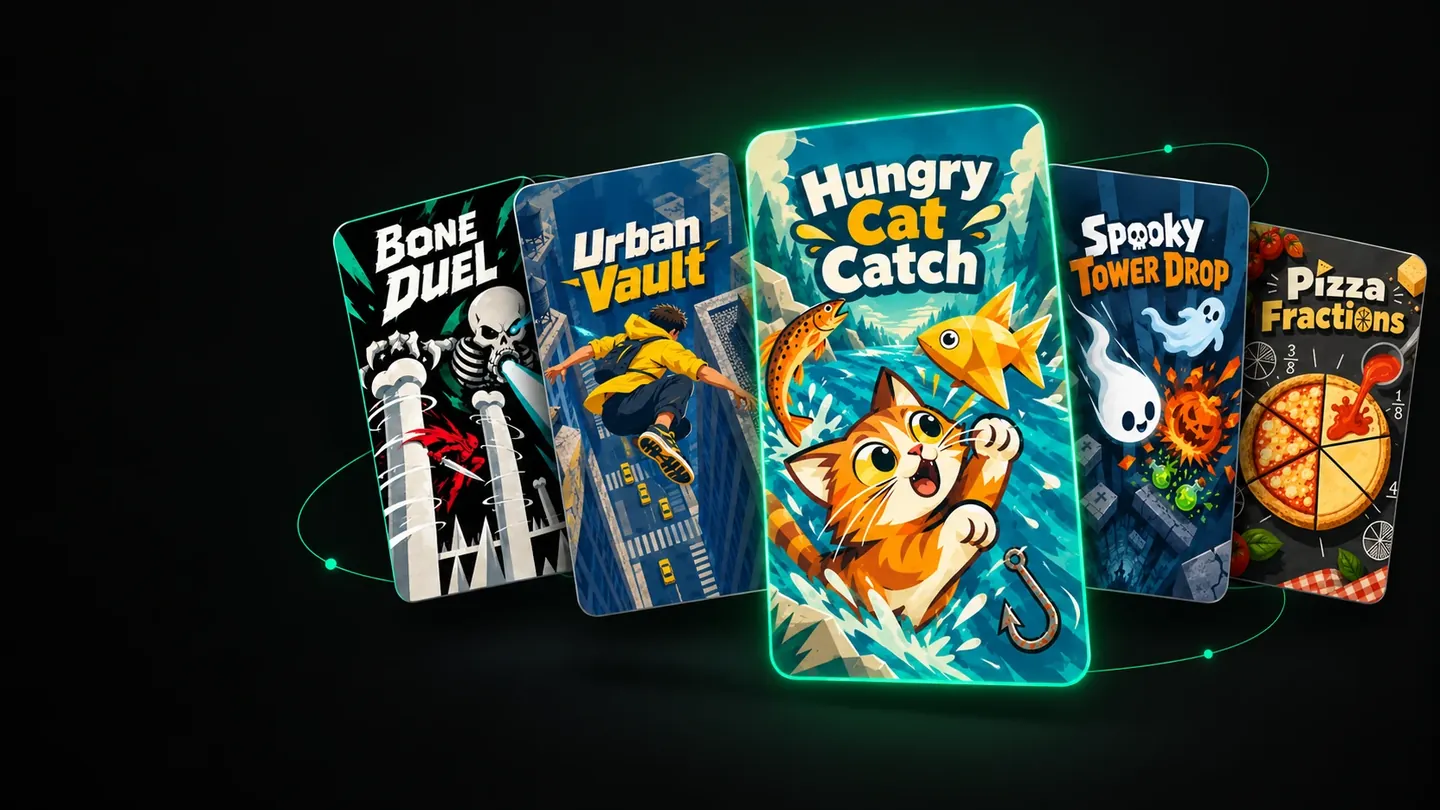
Most glossaries stop there. You learn the word, but trying it yourself usually means learning to code first. So for each term, we also show a real game on Flikk that uses it, and a prompt you can try. On Flikk you make games by describing them: describe it in under a minute, and play it in about 15.
Quick note: Flikk is our app. Every Flikk game below is one we played ourselves. Prompts marked "a prompt to try" are ideas we haven't built yet; the others are the exact words we typed.
What is a core loop?
A core loop is the action a player repeats again and again in a game: act, get feedback, want to act again. Everything else in a game (story, levels, unlocks) sits on top of it. If the loop isn't fun for 30 seconds, more content won't save it.
Example: in Tetris, you place a block, a line clears, and the next block is already falling.
On Flikk: the core loop is the most important part of game design, so it has its own guide. In The Most Important Part of Game Design, we make a game from four words ("A cat catches fish") and improve its core loop step by step with three edits.
Common mistake: adding levels, characters and story before the basic action is fun.
What is a difficulty curve?
A difficulty curve is how a game gets harder over time. A good curve starts easy enough to learn, then rises at a pace that keeps the player challenged but not frustrated. Too flat and the game gets boring; too steep and players quit.
Example: Tetris starts slow, and the blocks fall a little faster with every level.
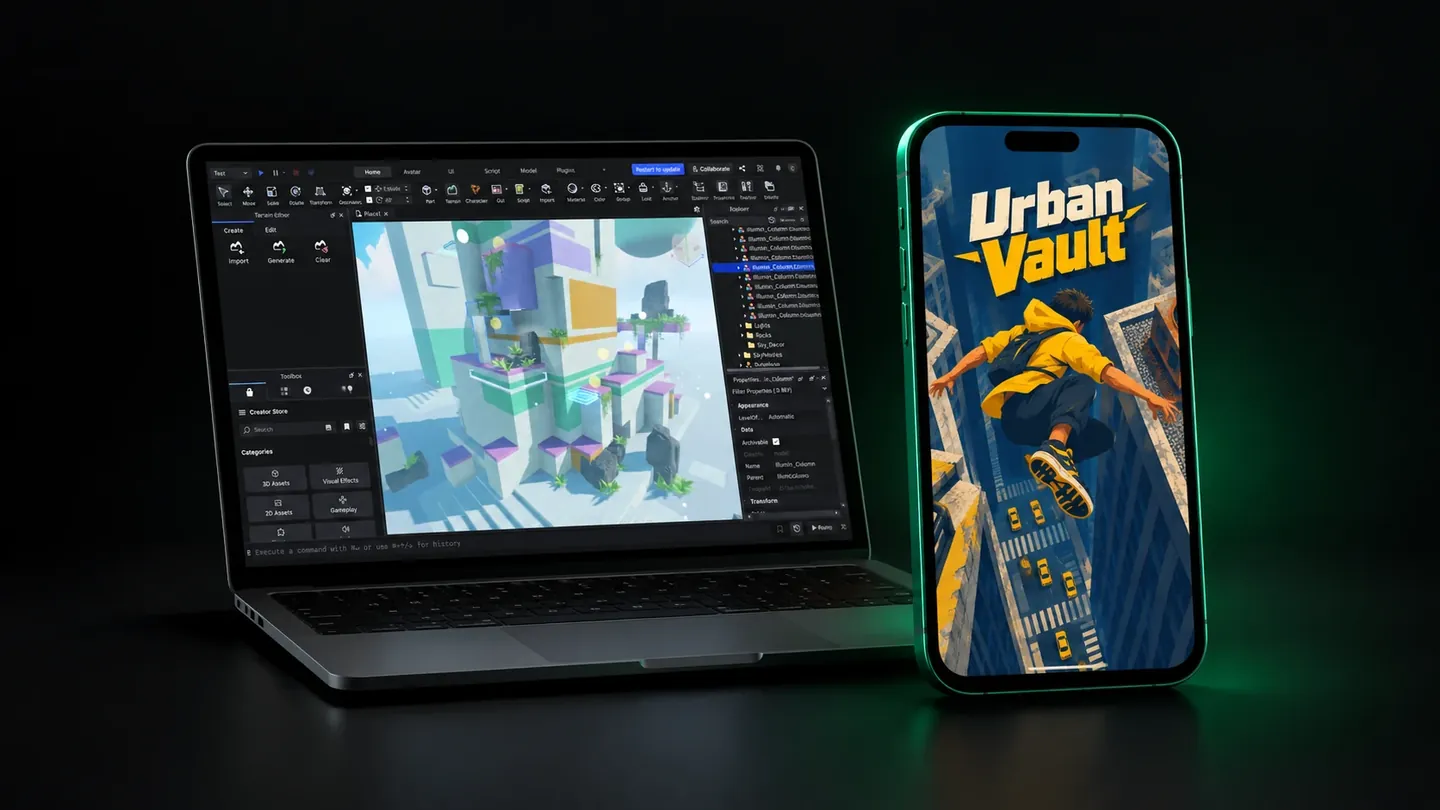
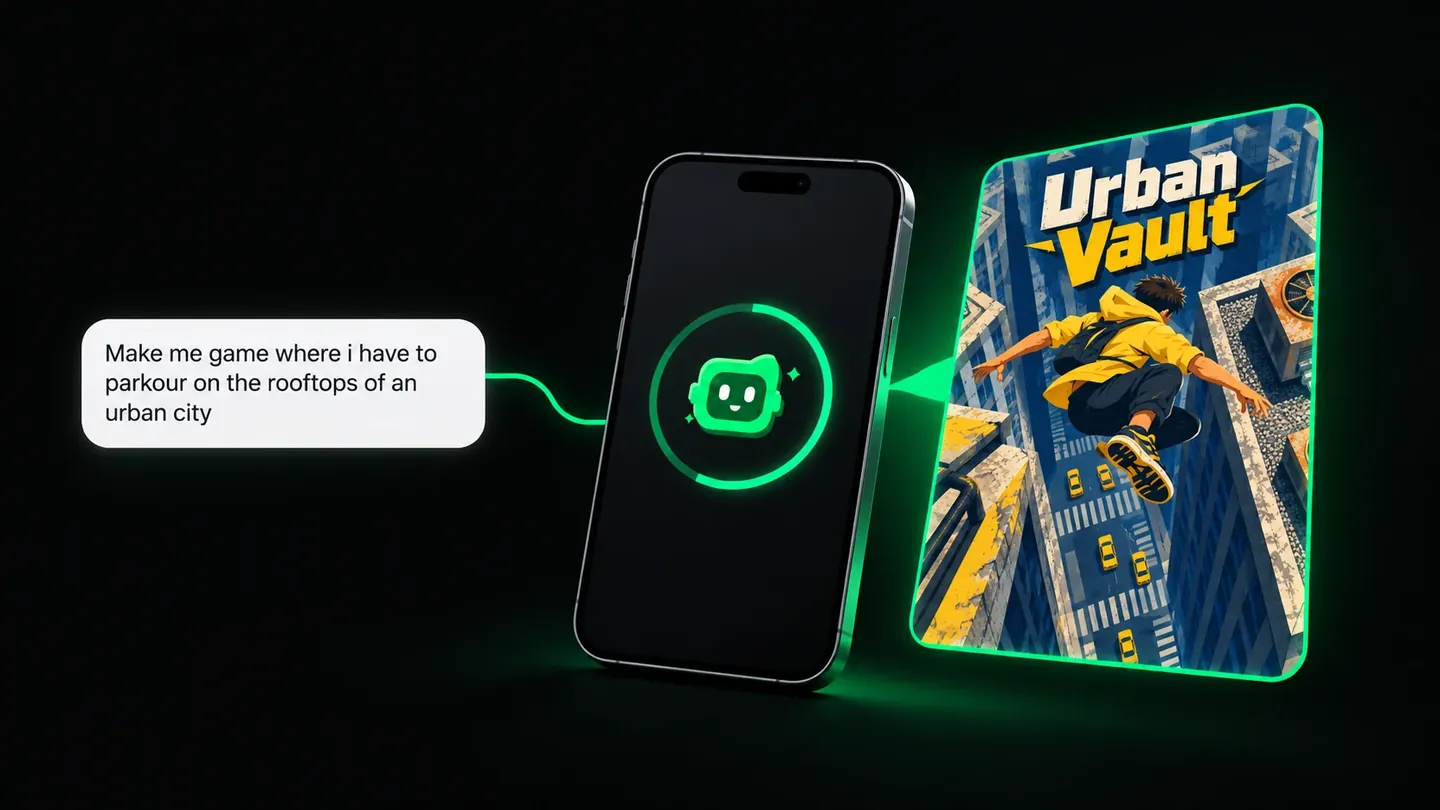
On Flikk: in Urban Vault, a rooftop runner, your running speed keeps going up the farther you get across the skyline.
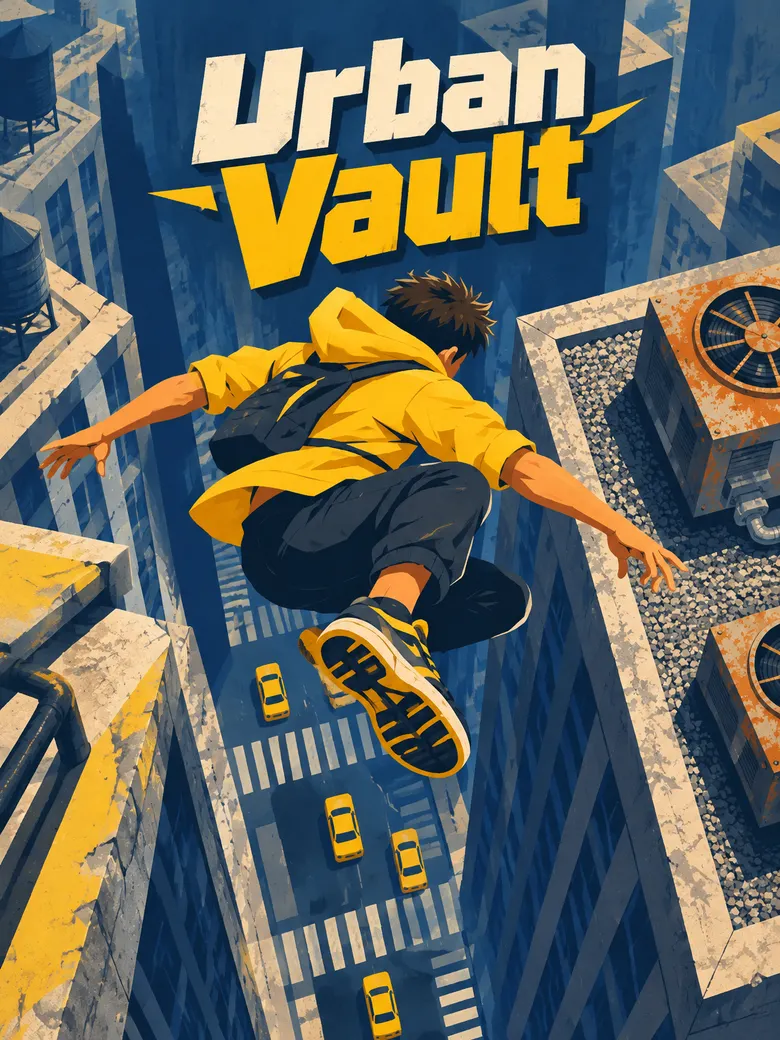
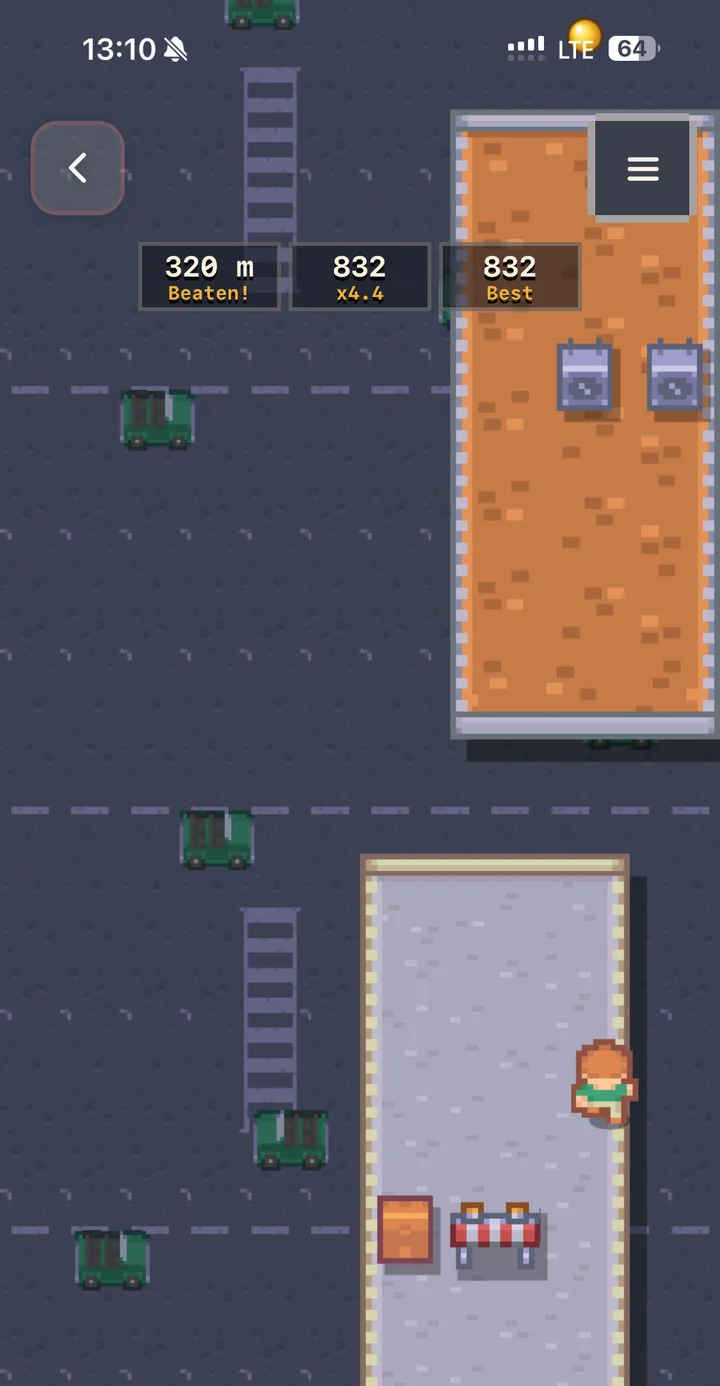
Flikk often adds a difficulty curve on its own. Our prompt for Urban Vault didn't mention speed at all, and the game plan Flikk wrote still said: "Running speed escalates steadily the farther across the skyline you travel."
Try it in Flikk
A prompt to try: "An endless runner where obstacles get faster every 30 seconds."
Then tune it with Make Edits: "Make the first minute easier, then ramp up faster."
Common mistake: making the start as hard as the middle. New players need a minute to learn the controls.
What is a power-up?
A power-up is an item that gives the player a temporary advantage, like extra speed, a shield or slower enemies. Good power-ups are rare enough to feel special and change how you play for a few seconds.
Example: in Pac-Man, eating a power pellet turns the ghosts blue, and for a few seconds you can chase them instead of running away.
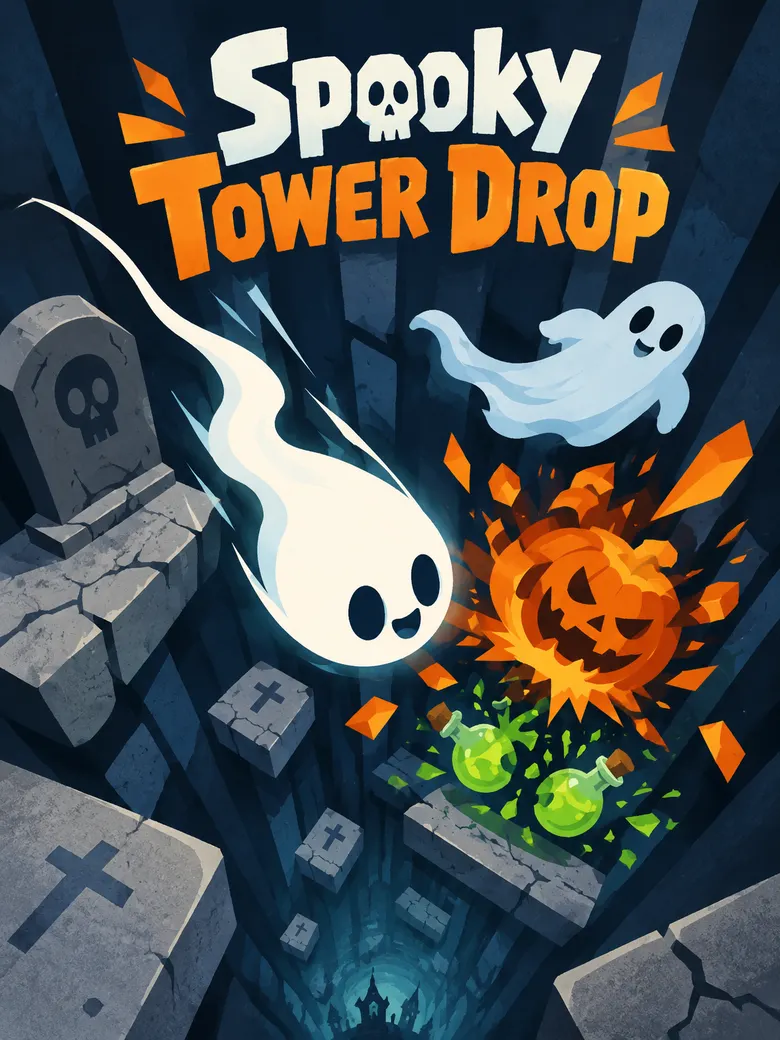
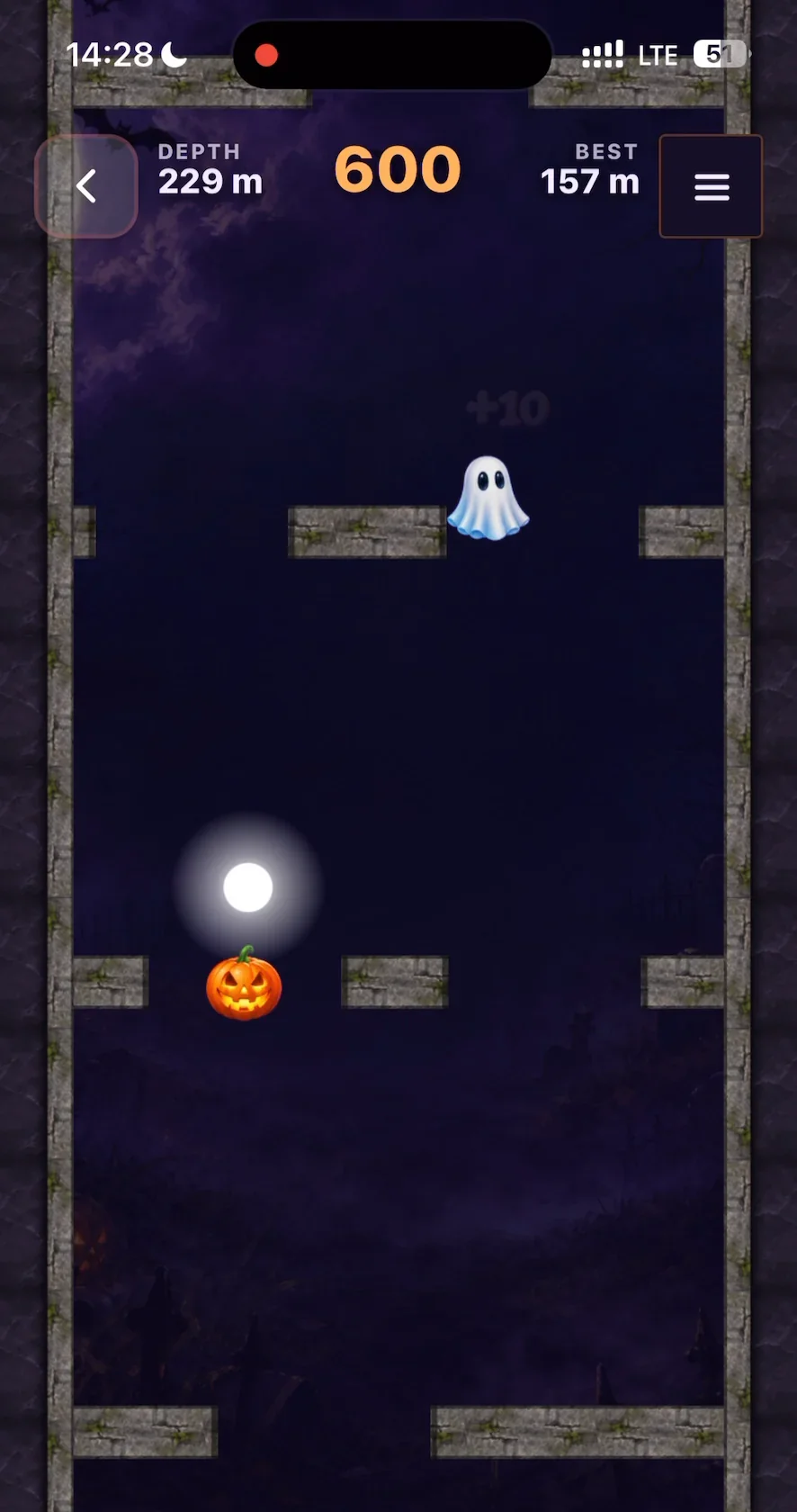
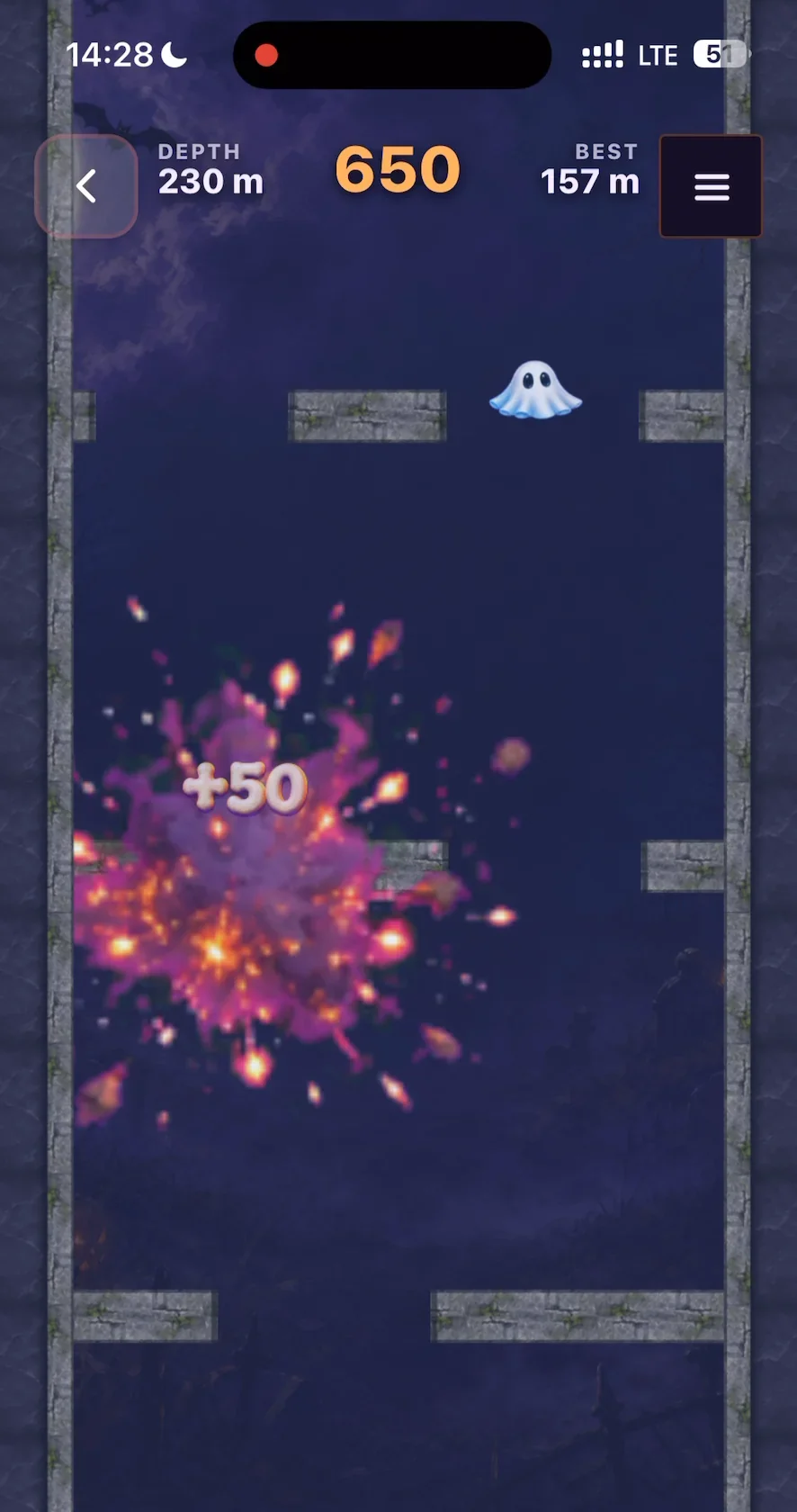
On Flikk: in Spooky Tower Drop, you fall down an endless tower past ghosts and floors. Pumpkins on the way down are the power-up: grab one and time slows down, so you can fall with more precision.
Try it in Flikk
A prompt to try: "A ghost falls down a haunted tower, dodging bats. Pumpkins slow down time for 3 seconds."
Then tune it with Make Edits: "Make pumpkins rarer, but let them slow time for longer."
Common mistake: power-ups everywhere. If you always have one, it's not a power-up anymore, it's the normal game.
What is a boss fight?
A boss fight is a battle against one strong enemy, usually at the end of a level or a game. Bosses have more health than normal enemies and attack in patterns that the player has to learn and dodge.
Example: in Super Mario Bros., you face Bowser at the end of each world's castle.
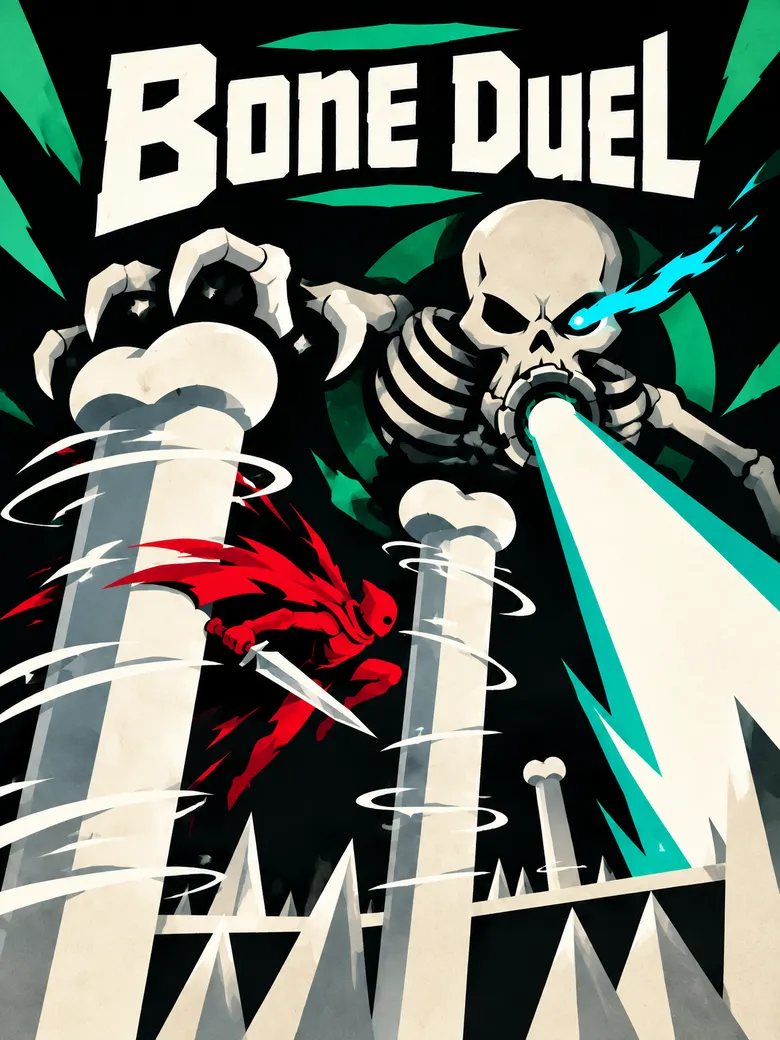
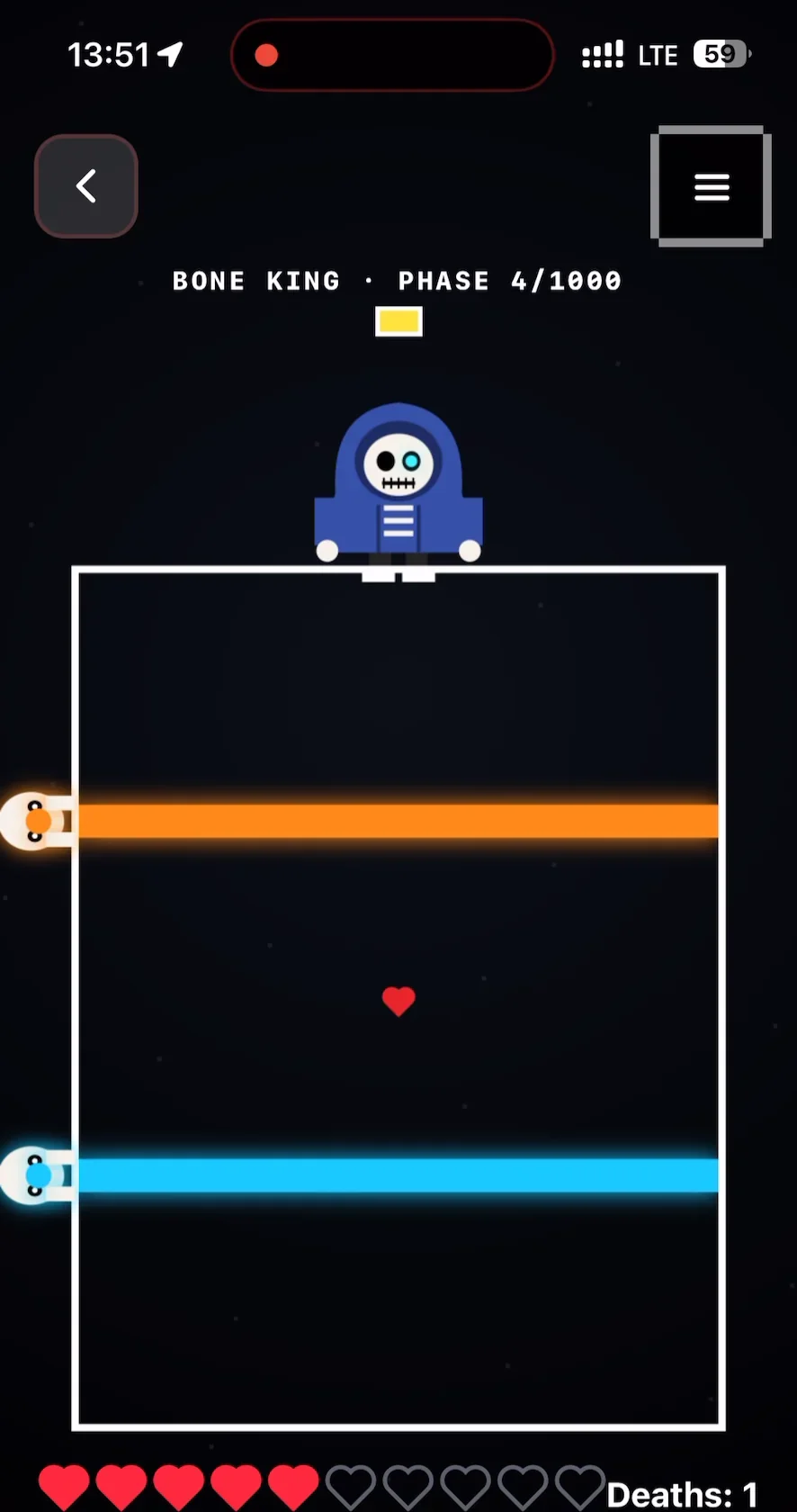
On Flikk: Bone Duel is one long boss fight against the Bone King, a skeleton boss. You dodge his attacks inside a small arena: lasers sweep across, and walls of bones close in. When we played it, the attacks were challenging and hard to predict, but the boss went down in one shot. That's a perfect thing to fix.
Try it in Flikk
Want a boss fight like this, but in your own vision? Describe one in a prompt, then make it even more your own with Make Edits.
A prompt to try: "A boss fight against a skeleton king in a small arena: dodge his lasers and walls of bones, and hit him 5 times to win."
Then tune it with Make Edits: "Make his attacks a little faster after every hit."
Common mistake: a boss that's just a normal enemy with more health. The fun is in learning its patterns.
What is a scoring system?
A scoring system is how a game turns what you do into points. Simple systems give a fixed number per action. Better ones reward skill and risk with bonuses, combos and multipliers, so a great run scores much more than an average one.
Example: in Pac-Man, each ghost you eat during one power pellet is worth double the last one: 200, 400, 800, then 1,600 points.
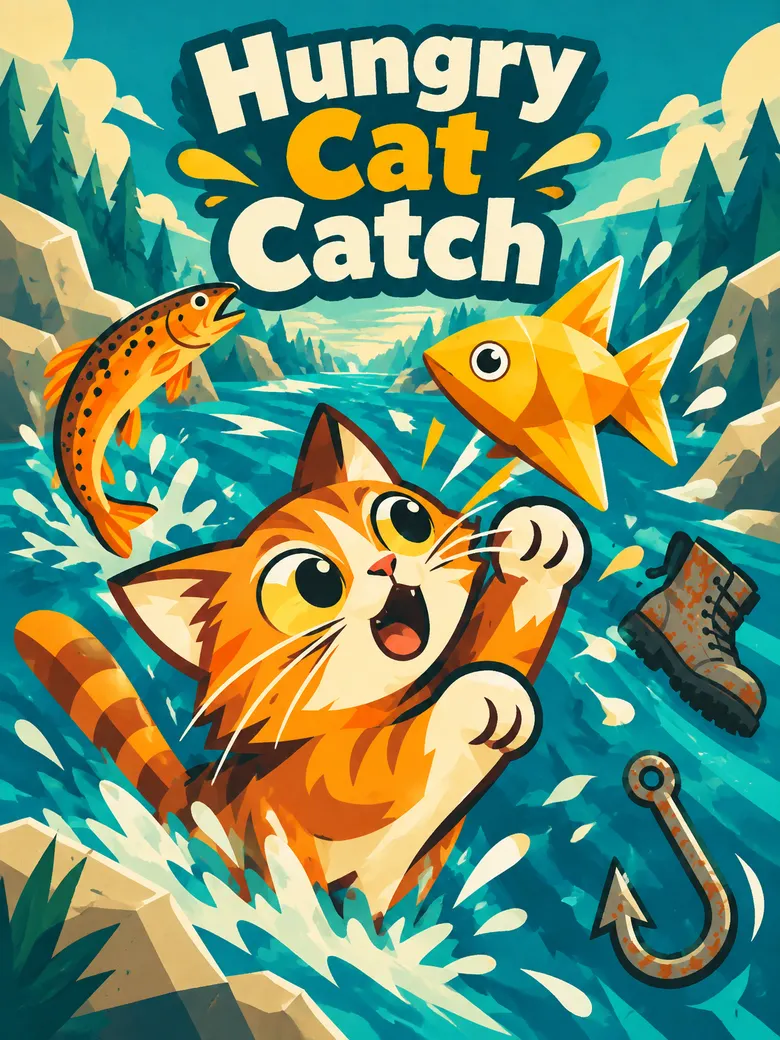
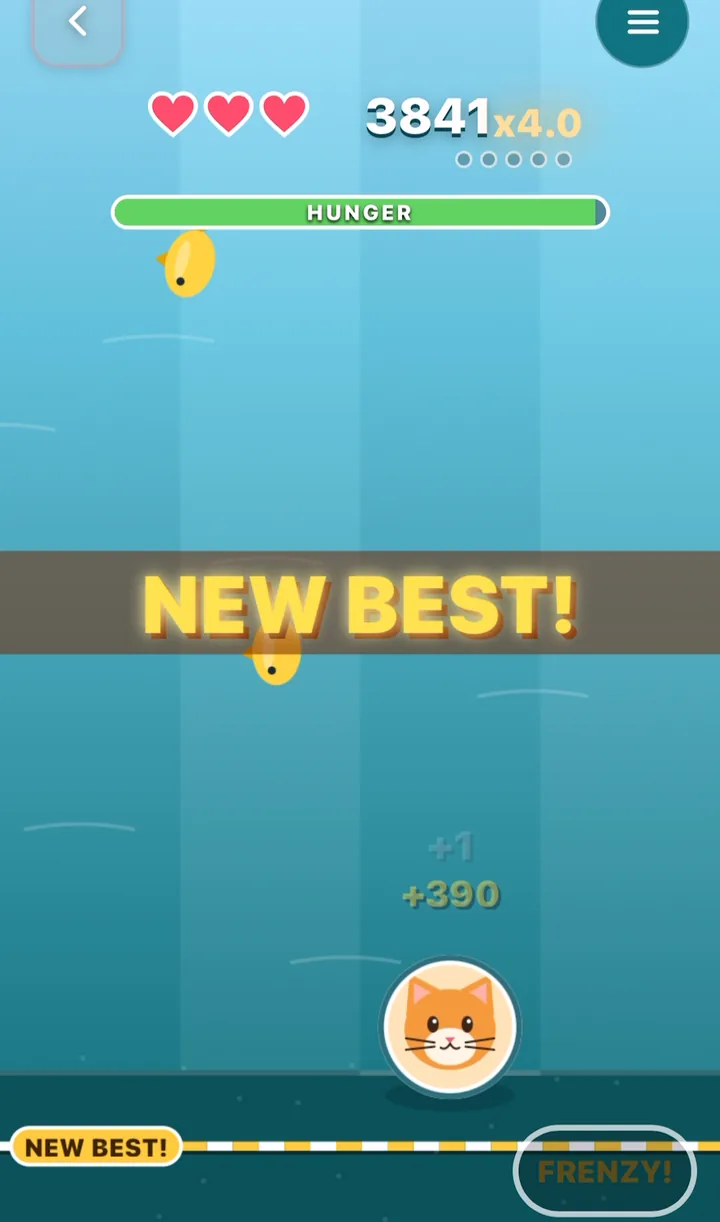
On Flikk: Hungry Cat Catch, the game from our core loop guide. You catch falling fish, and catching fish in a row builds a combo multiplier that resets when you miss one. A frenzy mode doubles your points, and when you pass your record, a "NEW BEST!" banner flashes across the screen.
Try it in Flikk
The combo came from one of our real edits. Part of what we typed in Make Edits: "Missing a fish also resets a combo multiplier that grows with every catch."
Common mistake: points with no reason to care. A best score on screen gives every run a target.
What is a game over / retry loop?
A game over is when the player loses and the run ends. The retry loop is how fast and easy it is to start again. In short, frantic games, a quick retry turns losing into "one more try" instead of a reason to quit.
Example: in Flappy Bird, you hit a pipe, see your score, and you're flying again with one tap.
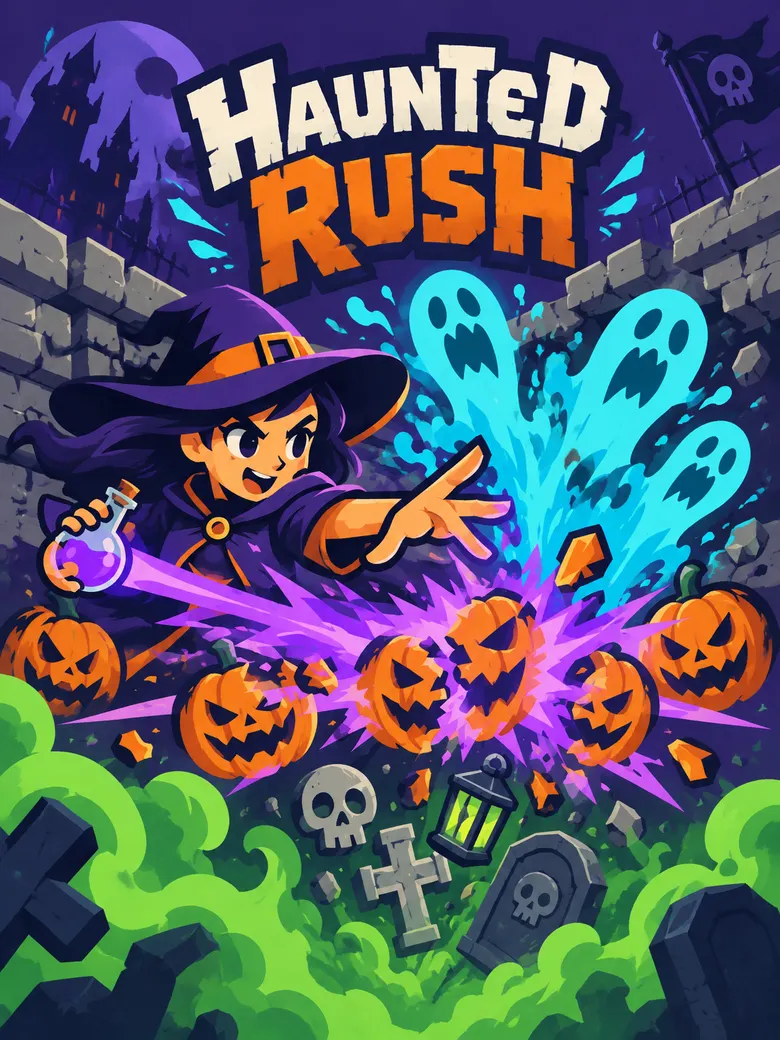
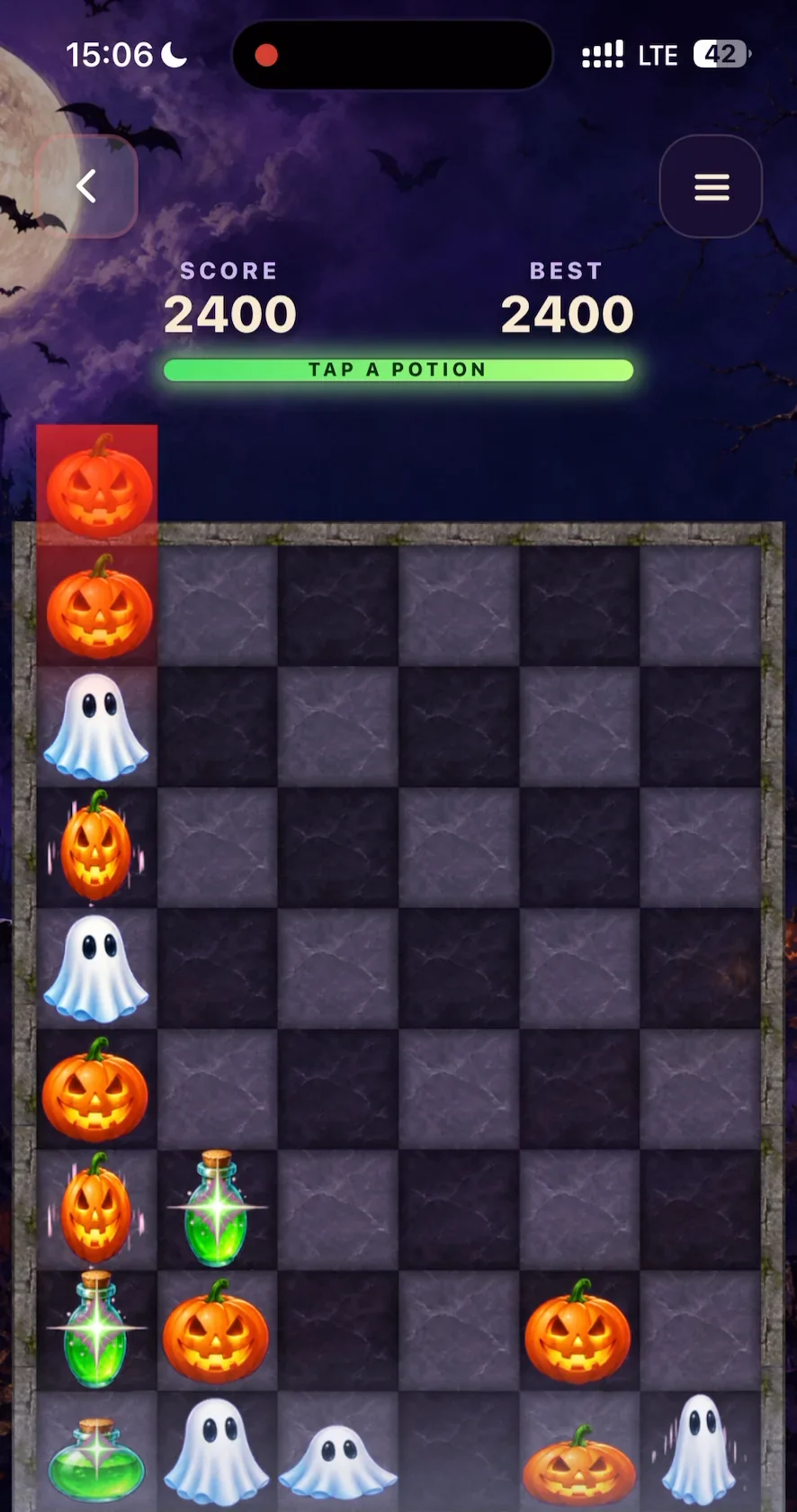
On Flikk: in Haunted Rush, spooky objects march up the board toward your graveyard, and you hold them back by tapping groups of three or more of the same. Tap without thinking and a column reaches the top. That's game over. Your score and your best score sit at the top of the screen the whole time, so you always know what to beat on the next try.
Try it in Flikk
A Make Edits change to try on your own game: "On game over, show my score and my best score, and a big Retry button that starts a new run right away."
Common mistake: long menus between runs. Every extra tap before the retry costs you players.
What is level design?
Level design is building the individual stages of a game: their layout, their challenges and their order. Good level design teaches a new idea, lets the player practice it, then adds a twist, so each level feels a little different from the last.
Example: World 1-1 in Super Mario Bros. teaches you to jump, run and use mushrooms without a single line of text.
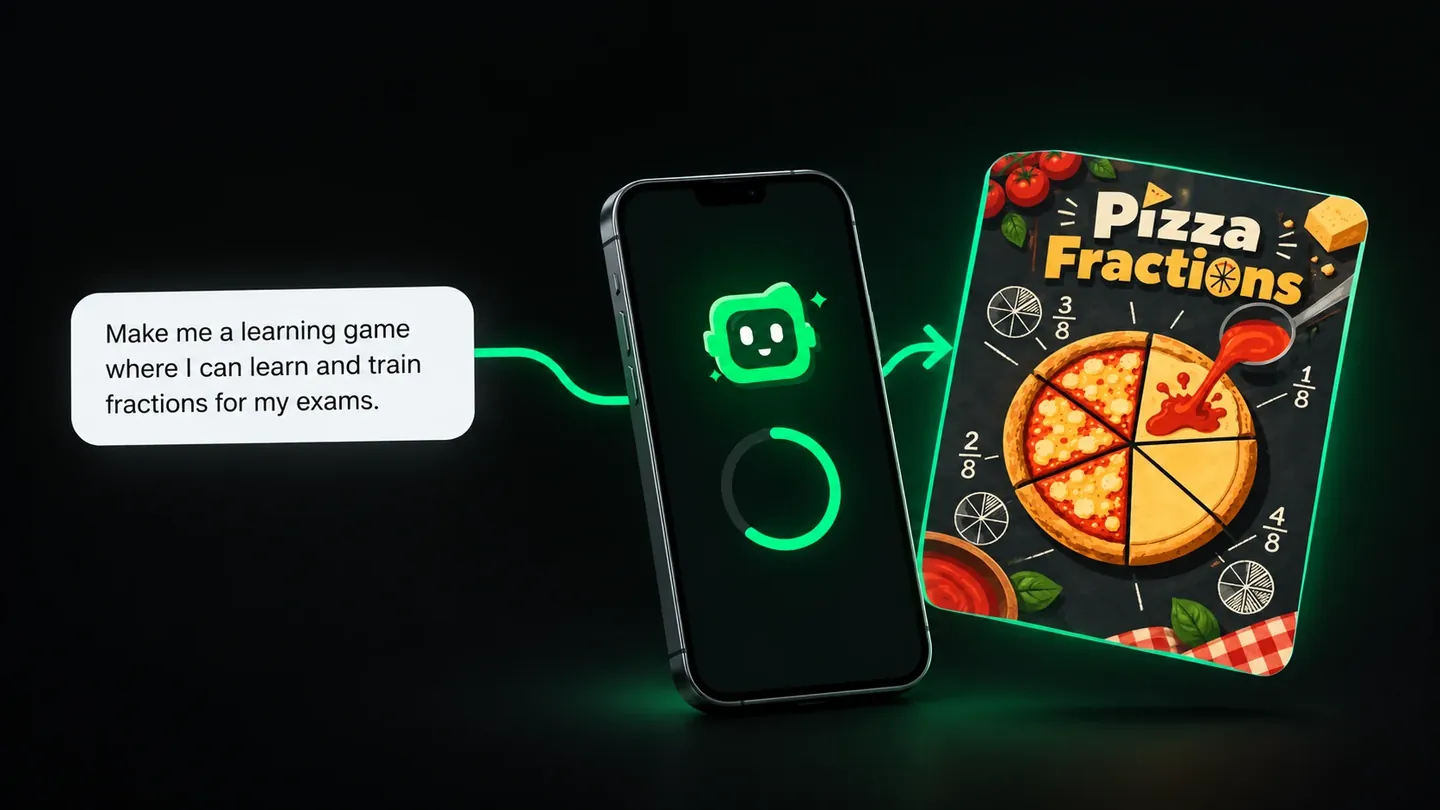
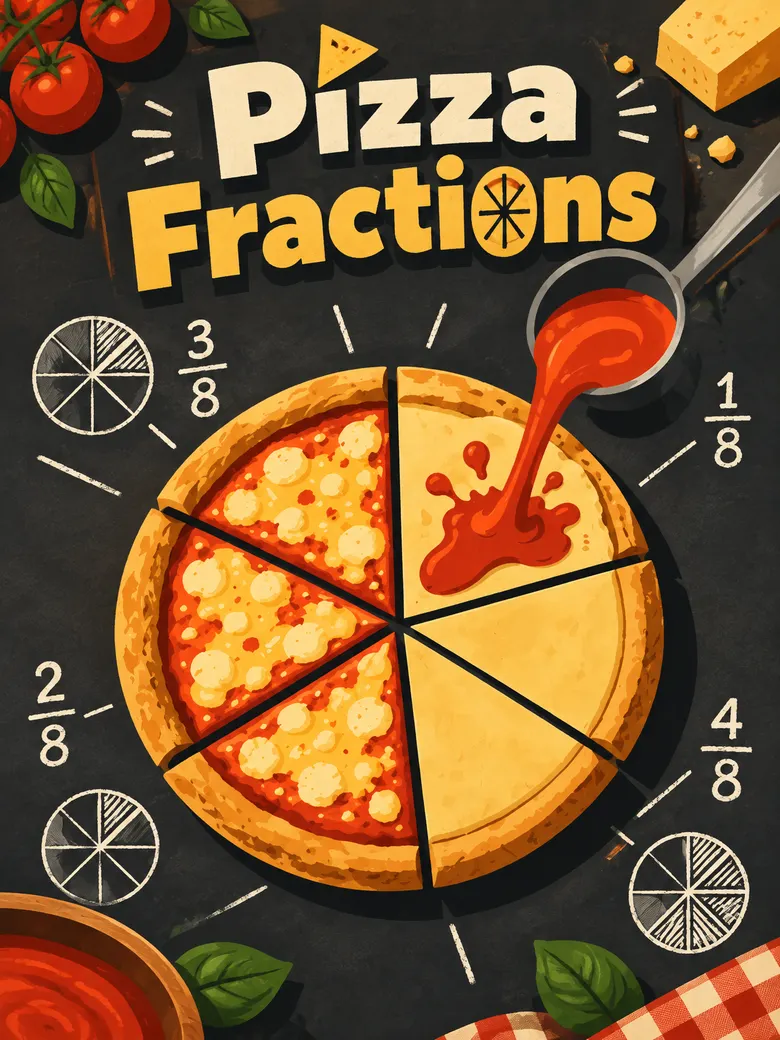
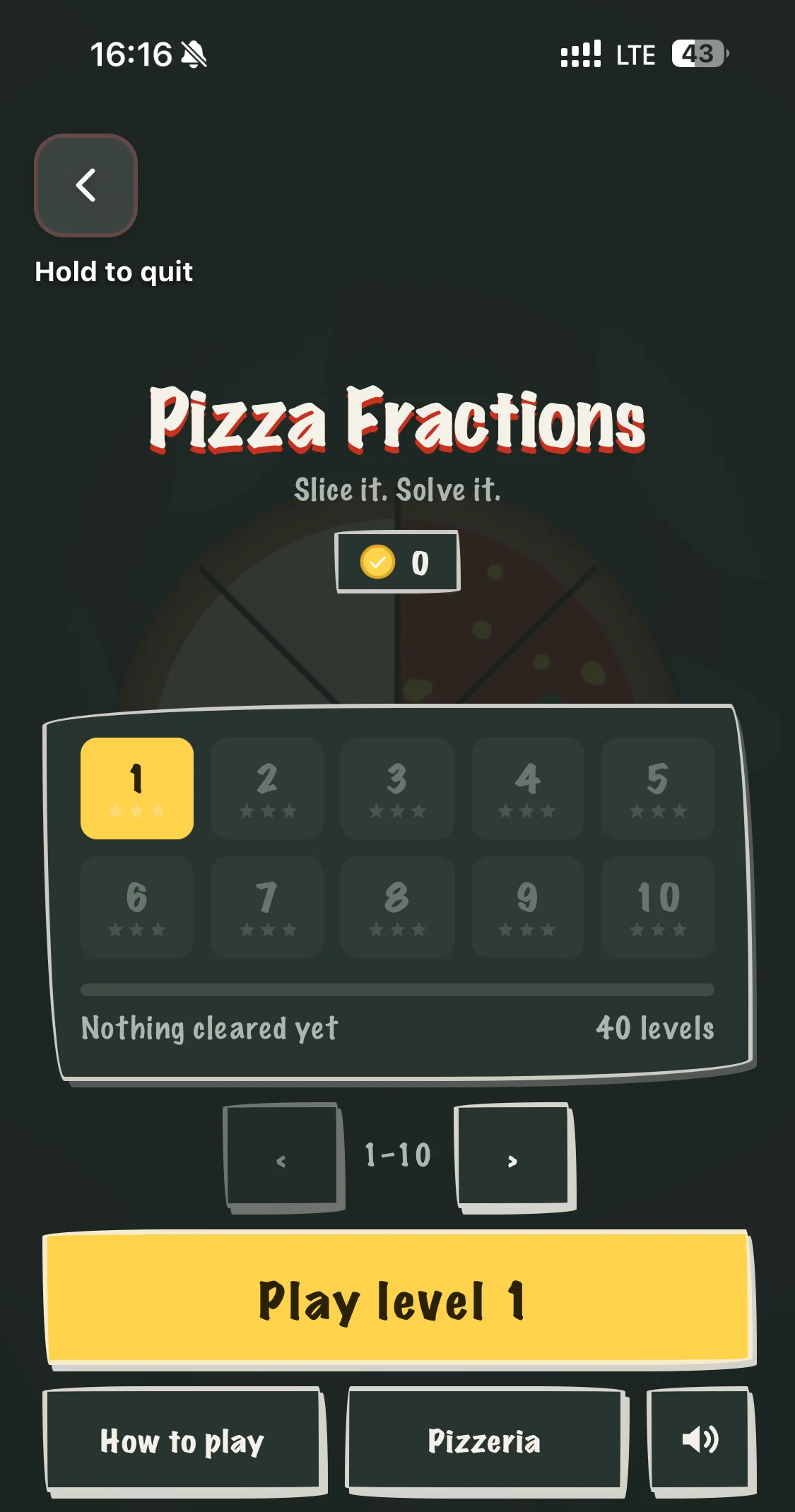
On Flikk: Pizza Fractions, the study game from Make Your Own Study Game, has 40 levels. Each one is a short round of fraction questions, and you earn up to three stars per level.
Try it in Flikk
When the levels started to feel the same, we typed this in Make Edits: "Make me even more new question types." Flikk added two new kinds of questions to the levels.
Common mistake: levels that only get bigger or faster. Change what the player has to do, not just how much.
What are win and lose conditions?
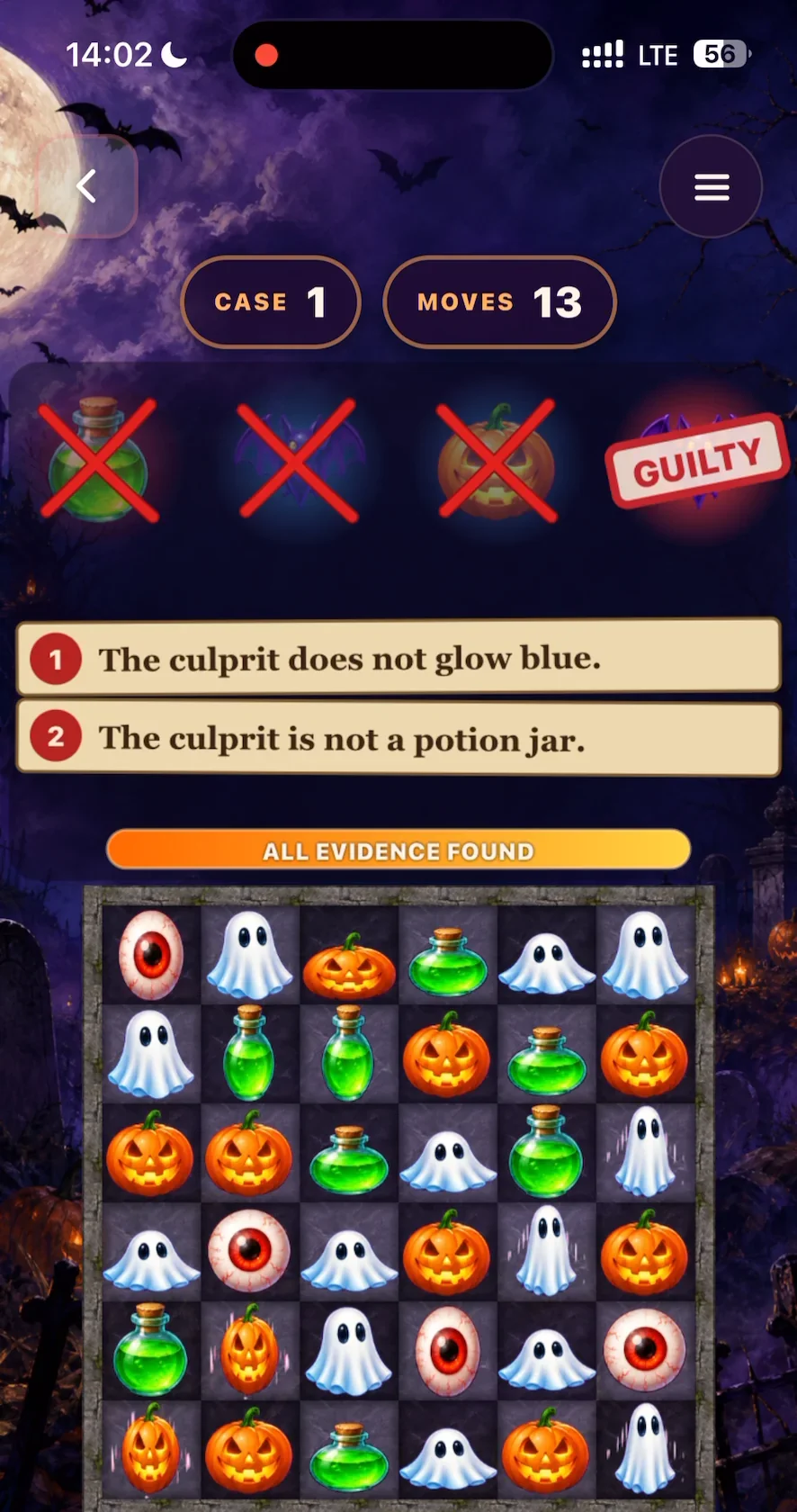
Win and lose conditions are the rules that decide when a game or a round is over, and whether you won. A clear win condition gives the player a goal; a clear lose condition gives the game tension.
Example: in the board game Clue (Cluedo), you win by naming the right suspect, weapon and room.
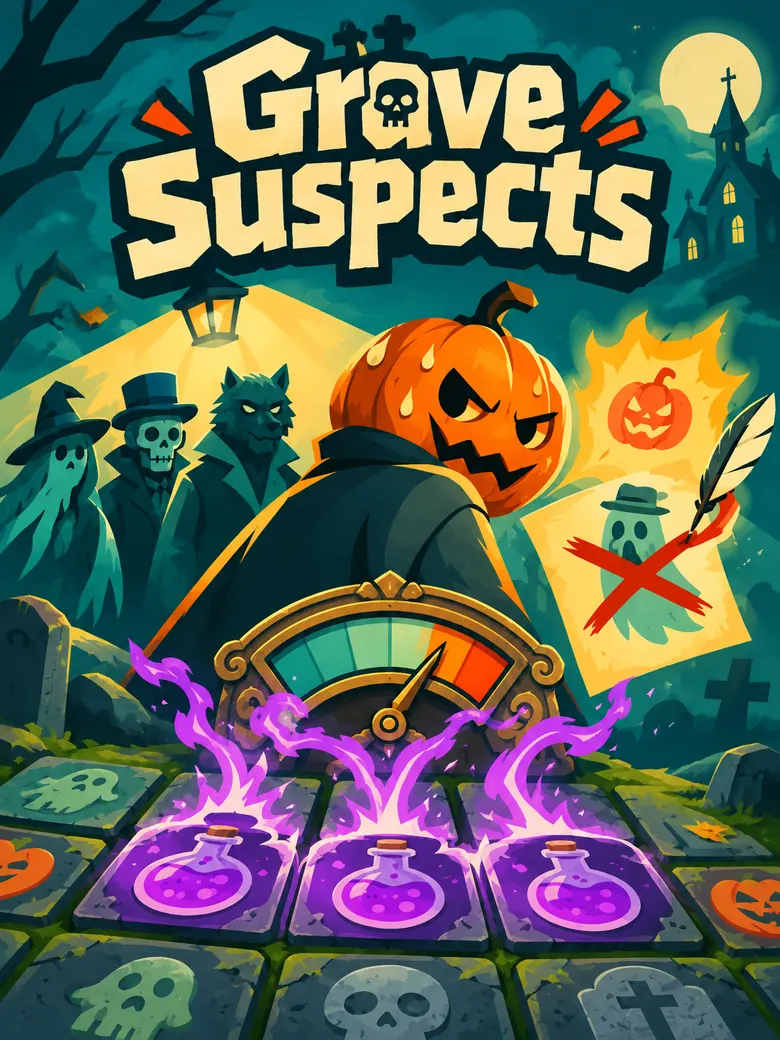
On Flikk: Grave Suspects is a match-3 game with a detective twist. You match pumpkins, ghosts and potions to unlock clues like "The culprit does not glow blue." To win the case, you use the clues to pick the right culprit.
Try it in Flikk
A prompt to try: "A detective match-3 game: matching tiles unlocks clues, and you win a case by picking the right suspect before you run out of moves."
Common mistake: a win condition the player doesn't know about. Show the goal at the start of every round.
What is multiplayer?
A multiplayer game is one that several people play at the same time, together or against each other. That can be on one device, over the internet in real time, or in turns.
Example: in Among Us, a group of players works together while trying to find the impostor among them.
Common mistake: building multiplayer before the game is fun alone. Most good multiplayer games have a core loop that would be fun even with one player.
Try these terms yourself
Reading about game design helps. Making a game teaches you more. Pick one term from this list, open the Create tab in Flikk and describe a small game that uses it. Play it, notice what's missing, and fix it with Make Edits. Each edit takes about 5 minutes.
Flikk is free on iOS and Android, and making games is free to start.
Download Flikk on iOS · Download Flikk on Android
FAQ
What are the basic terms in game design?
Some of the most important are the core loop (the action you repeat), the difficulty curve (how the game gets harder), power-ups, boss fights, the scoring system, the game over and retry loop, level design, and win and lose conditions. The core loop matters most: if it isn't fun, nothing built on top of it will be.
Do I need to code to try game design?
No. On Flikk you make a game by describing it in a sentence or two, and Flikk builds it in about 15 minutes. You can then change the game by describing what should be different, for example "make the first minute easier".
Can I change someone else's game on Flikk?
No, you can only edit the games you made. If you like someone else's game, describe a game like it in your own words in the Create tab, then use Make Edits to make it even more your own.
Is Flikk free?
Flikk is free on iOS and Android, and making games is free to start. Optional in-app purchases let you make more games or edit the ones you made. As of October 2026, a new game costs 100 Tokens and each edit costs 25 Tokens. Flikk is available in the US.